
Which PPF Should You Get for Your Car? Types, Coverage and What Matters
Paint Protection Film is the single best upgrade you can make to shield your car's finish from stone chips, road grime, and years of daily wear. But "PPF" isn't one product — it's a category, and picking the wrong type or coverage plan means paying for protection you don't actually get. Here's how to choose right.
What PPF Actually Does
Paint Protection Film is a clear, self-healing urethane layer applied over factory paint. It absorbs impacts from gravel, sand, and debris before they reach the clear coat, and light swirl marks or scratches on the film heal themselves with heat. Once installed, it's virtually invisible — the paint underneath stays untouched.
Types of PPF
Glossy PPF
The standard choice for most owners. It preserves the factory shine and adds a hard, sacrificial layer on top. Best if you want protection with zero visible change to the car's look.
Matte PPF
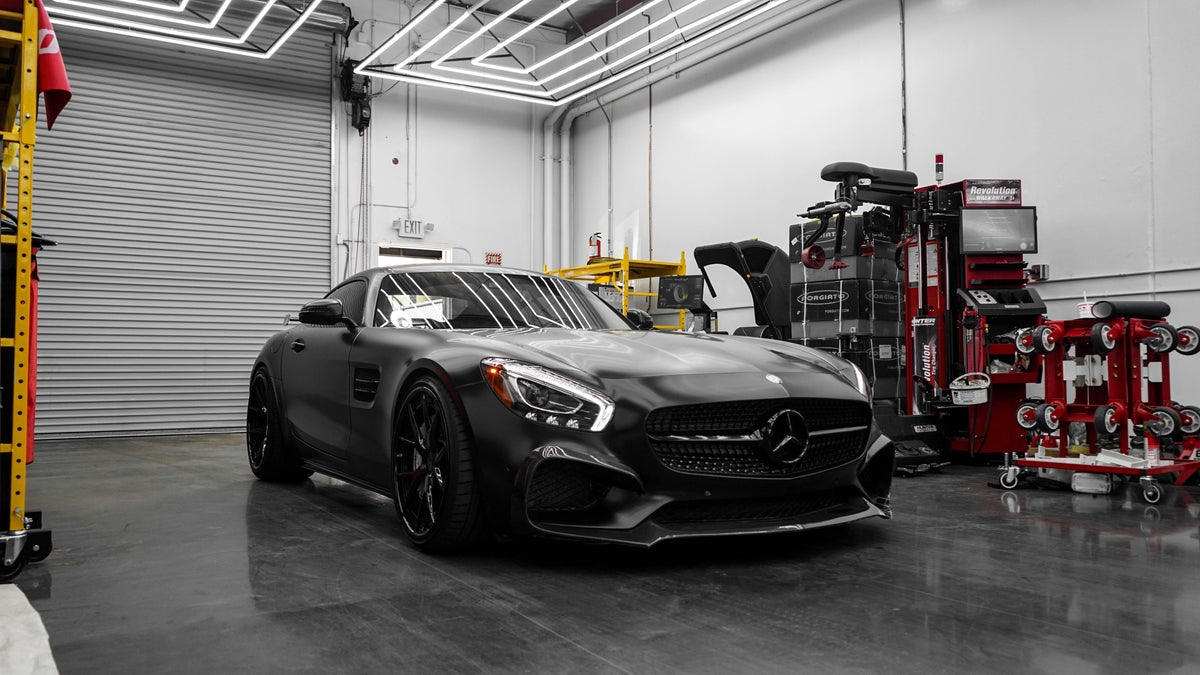
Converts a glossy paint job into a matte finish while protecting it the same way glossy film does. A committed aesthetic choice — great for a stealth or satin look, but it changes how the car reads, and reverting to gloss means removing the film.
Self-Healing PPF
Most premium films today are self-healing by default. Light scratches and swirls disappear when the film is warmed, either by sun or a heat gun. If you're comparing options, confirm this is included — older or budget films may not have it.
Colored / Tinted PPF
Adds a layer of color or tint on top of the protective film, letting you change the car's appearance without a full paint job or wrap. Good middle ground between protection and customization, though color options and durability vary by brand.
Coverage Levels: How Much of the Car to Wrap
Coverage is where most of the decision-making — and most of the cost — actually lives.
Track Pack (Partial Front)
Covers the highest-impact zones only: front bumper edge, hood leading edge, mirror caps, and sometimes headlights. The minimum sensible protection for daily driving, and the most budget-friendly option.
Full Front
Covers the entire front bumper, full hood, front fenders, mirror caps, and headlights. This is the most common recommendation — it protects everything that takes direct hits from highway debris, without wrapping the whole car.
Full Body
Every painted panel, front to back, wrapped in film. Maximum protection against chips, scratches, and fading, and the best option if you plan to keep the car long-term or maintain resale value. It's the highest cost, but nothing is left exposed.
Track Pack + Rocker Panels / High-Touch Zones
An add-on many owners overlook: rocker panels, door edges, and door handle cups take constant abuse from shoes, curbs, and fingernails. Worth bundling with any front or full coverage.
What Actually Matters When Choosing
- Film quality over brand names. Ask about thickness, self-healing capability, and yellowing resistance over time — not just the label.
- Installer skill. PPF is only as good as its install. Poor edge-wrapping or seams lift, trap dirt, and look worse than no film at all.
- Warranty terms. Look for coverage against yellowing, cracking, and lifting — not just a manufacturer defect clause.
- Your driving reality. Highway-heavy driving justifies full front or full body. Mostly city and low-speed driving can often get away with a track pack plus high-touch zones.
- Resale plans. If you're keeping the car 5+ years or care about resale value, full body protection pays for itself by keeping factory paint intact.
The Bottom Line
There's no universal "best" PPF — only the right combination of film type and coverage for how you actually drive and how long you plan to keep the car. A full front package with self-healing glossy film covers most owners' real-world risk. If you want zero exposed paint or you're protecting a car you'll own for years, full body is the answer.
Talk to our team about a coverage plan built around your car and how you drive it.

コメントを書く
このサイトはhCaptchaによって保護されており、hCaptchaプライバシーポリシーおよび利用規約が適用されます。